
Getting Started in Heroes of Might and Magic III Remake
A first-week plan for commanders who have never captured a mine or hired a second hero.
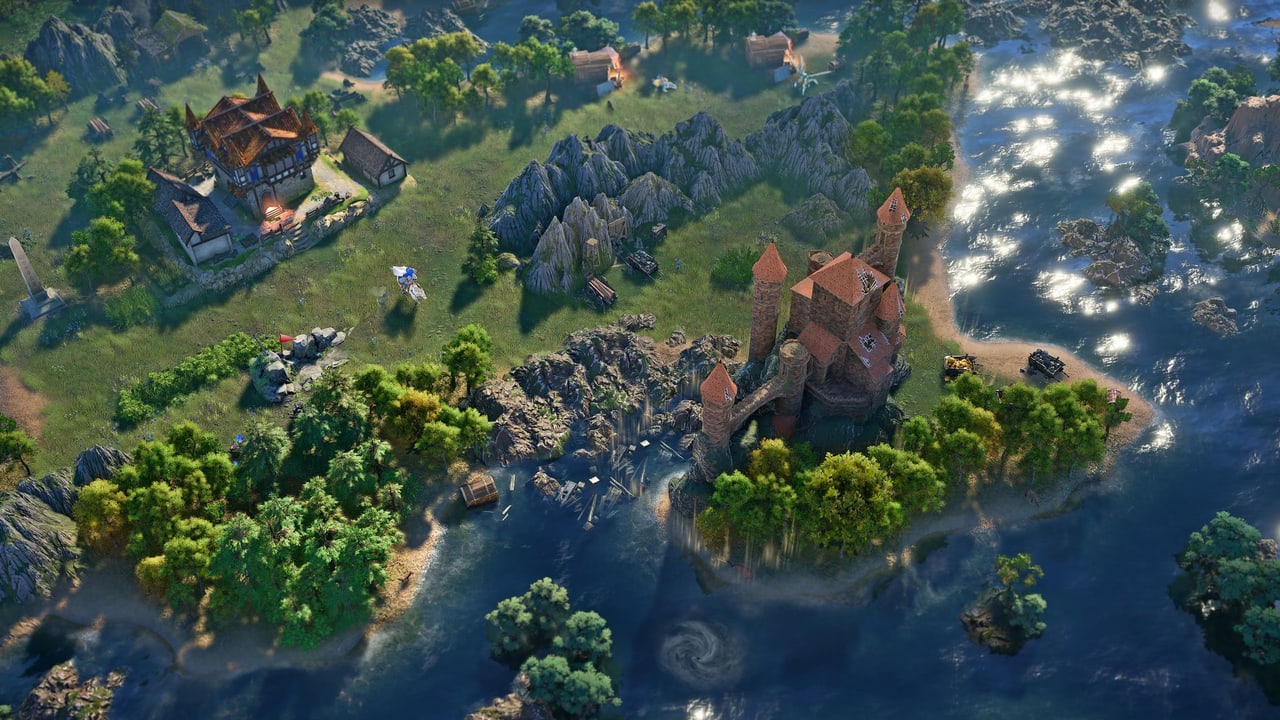
Heroes of Might and Magic III Remake is the 2027 3D rebuild of the 1999 classic, not a live-service with daily login rewards. Your first job is to understand the session, not to farm a battle pass. This page is the on-ramp: what to wishlist, what the prologue teaches, and which habits to copy from veterans before you touch a random map.
Confirm you are looking at the right product
Ubisoft currently sells or lists several related titles. The remake is the Snowdrop project with a free camera, 4K presentation, and both expansions in the box. The 1999 Complete Edition that returned to Steam in August 2026 is the original 2D game plus Armageddon’s Blade and The Shadow of Death — see Complete Edition on Steam if you hit the stub-install week. The 2015 HD Edition is Restoration of Erathia only. Olden Era is a new Heroes game with new factions. If your store page does not say Remake and 2027, stop and read the edition comparison. Wishlist the remake on Steam, the Ubisoft Store, or Epic, and note that Ubisoft+ is promised at launch.
What the prologue is for
Hands-on coverage describes a three-mission prelude, including a section titled The Queen’s Departure, built to teach camera, recruiting, spellcasting, and town management before Restoration of Erathia begins. Treat it as mandatory even if you have thousands of hours in the original. The remake’s town screen is new art on a more readable layout, the build queue is new, and mass recruiting is new. Those quality-of-life tools only help if you know they exist. The controls guide lists the PC overlay that shows movement and shooting range when you hold Alt; preview players used it constantly.
After the prologue, the original campaigns play as one continuous story with new cinematics. You do not need to know every Catherine Ironfist beat on day one, but you should know the three layers of a turn: the adventure map, the town, and the battlefield. How to play is the long version of that loop.
Your first week on any map
Whether you are in the tutorial or a small skirmish, the opening week has a script that almost never changes.
- Flag nearby mines. Wood and ore keep basic dwellings and the first town hall upgrades flowing. Rare resources can wait if a sawmill or ore pit is closer.
- Hire a second hero on day one if the tavern allows it. The second hero is a mule for creatures and a scout for fog of war. Leaving one hero to do everything is how beginners lose tempo.
- Build the creature dwellings in order, not the Mage Guild first unless your faction identity demands early magic. Castle wants Archers into Griffins. Rampart wants a Unique building path toward Unicorns. Necropolis wants the Skeleton Transformer economy. Read the faction overview before you spend a week of gold on vanity.
- Clear easy wandering stacks that sit on resource tiles. Do not heroically charge a pack of Thunderbirds because they look small on the 3D camera. Stack size still wins fights.
- End the first week with a plan for week two: either a key artifact, an enemy garrison, or a second town. Random wandering is how maps snowball away from you.
Combat you can survive as a beginner
Hex combat in the remake is the original rules with better readability. Speed determines turn order. Wait and Defend still matter. Ranged units want a wall or a straight shot without a melee penalty. Morale can grant extra actions; negative morale can skip you. The new range overlay is there so you stop guessing whether a Hydra can punish your move. If a fight looks even, wait for more troops next week. Retreat and surrender exist for a reason. The combat guide goes deeper; this page only needs you to stop treating every green stack as a free flag.
Magic is not a side mode. A Mage Guild, Wisdom, and a spell book change which maps you can even attempt. Expert Earth Magic with Town Portal or Dimension Door is how high-level games feel unfair. You will not have those on mission one. You should still visit every Learning Stone, Witch Hut, and Library you can reach without dying.
What to read next, and what to ignore
You do not need a full artifact spreadsheet before your first victory. You do need a town plan, a second hero, and the patience to grow creatures on Monday. When you are ready to argue about power, open the faction tier list. For the queue and one-building-a-day discipline, open town building. For Mage Guilds, open spells. When you want the story order, open the campaign walkthrough. When you want to play with friends, read multiplayer so you are not surprised by simultaneous turns.
If you cannot wait until 2027, practice on the 1999 Complete Edition. The remake is being built to keep that pacing. Skills you form now, especially around movement points and weekly growth, will transfer. Skills you form around HD Edition’s missing expansions will not; Conflux and the later campaigns are part of the remake’s day-one box, which is why this beginner path mentions them early rather than treating them as DLC you might skip.
Frequently Asked Questions
Quick answers for new commanders and returning veterans.
Can I skip the prologue if I know Heroes III?
You can, but you should not. The prologue is where the new camera, build queue, and recruiting UI are introduced. Veterans still benefit from those screens.
Which faction should a new player choose?
Castle is the tutorial-friendly human town, but Rampart and Tower are also clear for beginners. Avoid Necropolis and Dungeon until you understand skeleton economy and extra hexes of dragon breath. See the faction overview.
Is there a codes page for this remake?
No. This is a premium strategy remake, not a Roblox title. We do not maintain redeem-code lists.
How do I practise before 2027?
Play the 1999 Complete Edition, which includes both expansions. The remake is designed to keep that ruleset while changing presentation and a handful of quality-of-life tools.